
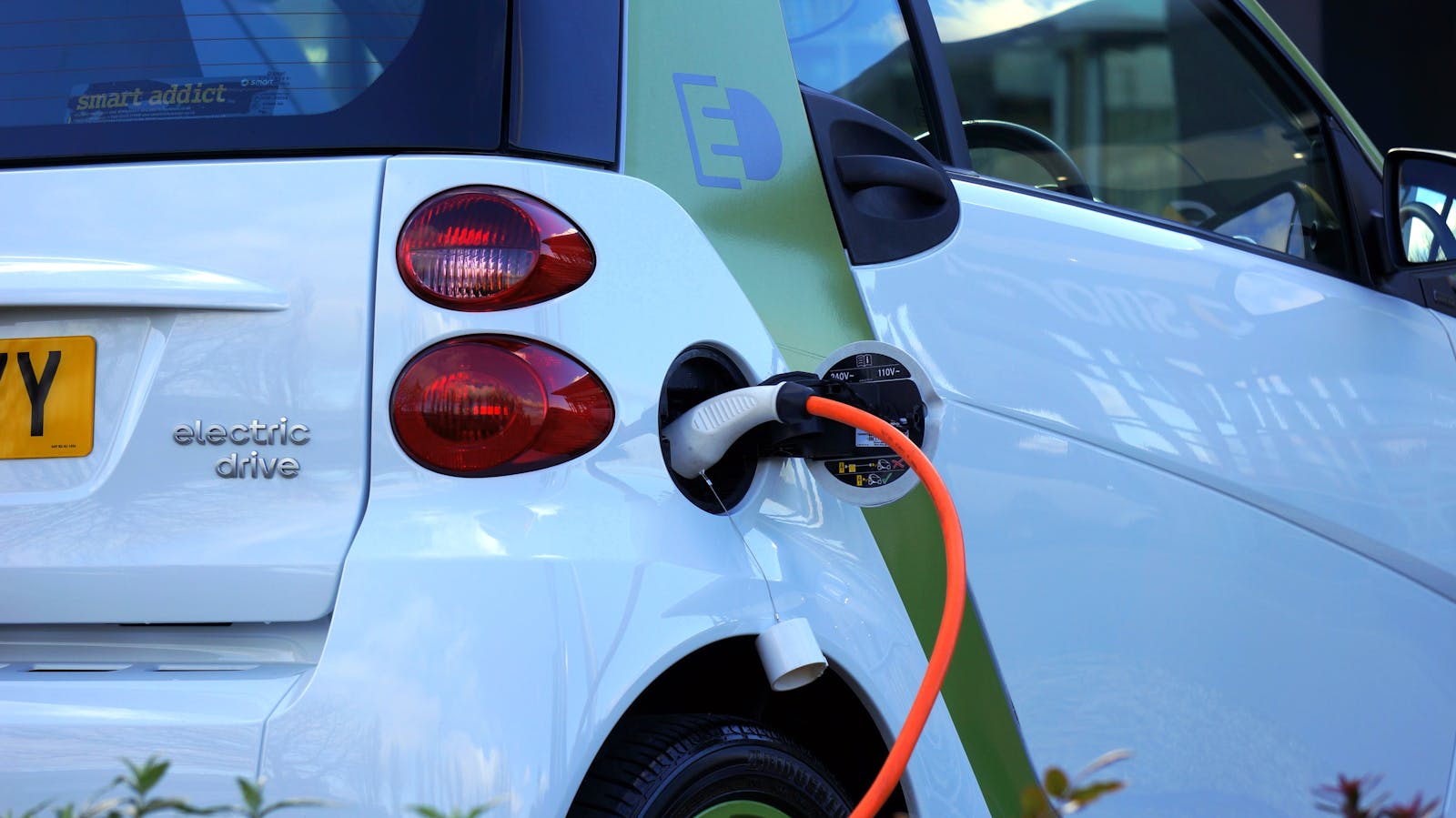
Every time you plug in at night, you're making a small decision that compounds over thousands of charge cycles. Most EV owners default to 100%—it feels efficient, it feels safe. But battery engineers have known for years that the sweet spot is narrower than that.
The 20–80 rule is simple: keep your state of charge between 20% and 80% for everyday driving. Reserve a full 100% charge for the day before a long road trip, not as a nightly habit.
Why the extremes hurt
Lithium-ion cells—which power virtually every consumer EV—degrade faster at the edges of their charge window. Near 100%, the chemistry that holds energy in place becomes stressed, a condition called high-state-of-charge degradation. Near 0%, a similar problem called deep discharge stress can occur if the pack sits drained for extended periods.
Most automakers design their battery management systems (BMS) to buffer this somewhat. A Tesla that says "100%" isn't actually at full chemical capacity—there's a hidden reserve baked in. But that buffer has limits, and regularly pushing to the displayed maximum still accumulates wear faster than staying in the middle band.
Mazda's official charging guidance recommends the 20–80 window for daily use. bp pulse, which operates thousands of public chargers, publishes the same advice. Real-world owner data from long-term Nissan Leaf and Chevy Bolt drivers backs it up: packs that spend most of their time mid-range hold capacity better over four and five years.
What this looks like in practice
For most Bay Area commuters driving 30–50 miles a day, staying between 30% and 80% is easy. Plug in when you get home, set a charge limit of 80% in your app or infotainment, and forget it. You'll have plenty of buffer for detours and you won't be stressing your pack overnight.
If your commute is long and you genuinely need the range, bumping the limit to 90% occasionally is fine. What damages packs over time is the routine of 100% charges, not the occasional one.
DC fast charging is a separate conversation. DCFC stations push electrons in at high rates, which does generate heat and some cell stress. Using fast chargers routinely—say, daily for months—can accelerate wear more than home Level 2 charging does. But occasional road-trip fast charging is exactly what the technology is designed for. Don't avoid it; just don't make it your primary daily source.
The bottom line
Range anxiety pushes many EV owners toward maximum charge as a default. But the math points the other way: a pack that degrades faster because of chronic overcharging costs you more in the long run than the occasional range cushion is worth.
Set your daily limit to 80%, leave 20% as your floor before you plug in, and check your battery health once a year through your manufacturer's app or a tool like Recurrent. Small habits, compounded over years, make the difference between a pack that delivers 90% of its original range at year five and one that's already lost a noticeable chunk.
FAQ: Should I charge my EV to 100% every night? — No. For daily driving, a limit of 80% protects long-term battery health. Save full charges for days when you actually need the maximum range.